What actually breaks when you do it alone
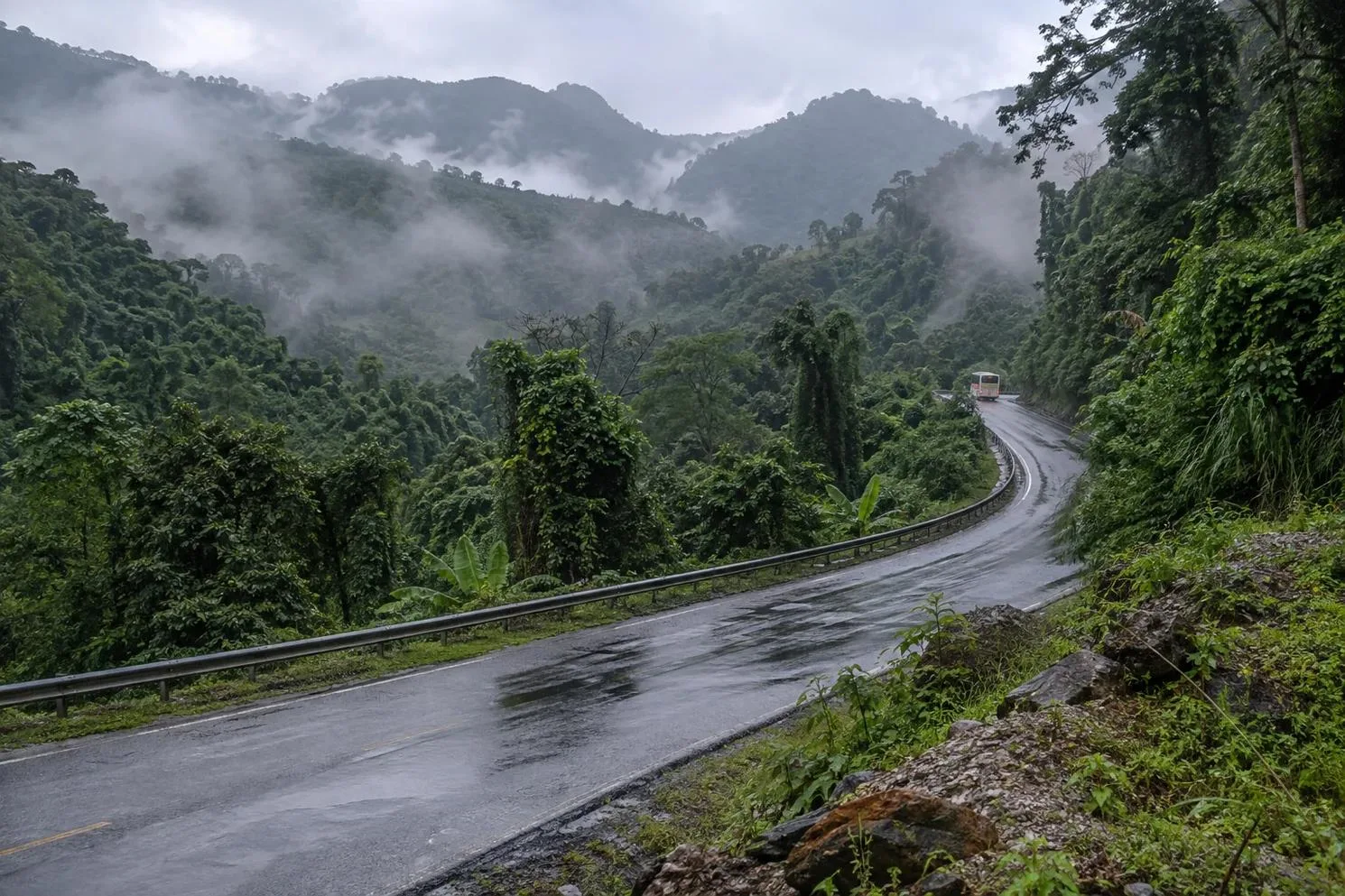
Getting from Hanoi to the Chinese border by yourself is perfectly possible, and I am not going to dress it up as an expedition. The road is straightforward — 170 kilometres on the CT01 through Bac Ninh and Bac Giang, about three hours, public transport runs that way. The road is not the part that breaks.
Paying the government fee. The evisa.gov.vn portal regularly declines Russian and a number of foreign cards. At home that reads as a minor annoyance; at the crossing it is a dead end — nothing to pay with, and the group you travelled up with leaves on schedule.
The entry point on the application. The most expensive mistake disguises itself as a dropdown. Pick the wrong gate and the visa arrives entirely valid, except that you cannot enter on it through Huu Nghi and have to travel to whichever crossing the document names.
The exit-stamp photo. If you are re-entering on a new e-visa, processing does not begin when you walk out of Vietnam — it begins when the photo of that stamp reaches the working chat. Someone travelling alone usually learns this rule while standing at the border.
That is where we come in: we complete the application, pay the government fee with our own card, set the correct entry point, and hand you written instructions for the checkpoint before you go. From your side we need the date you want to travel.
The day, hour by hour
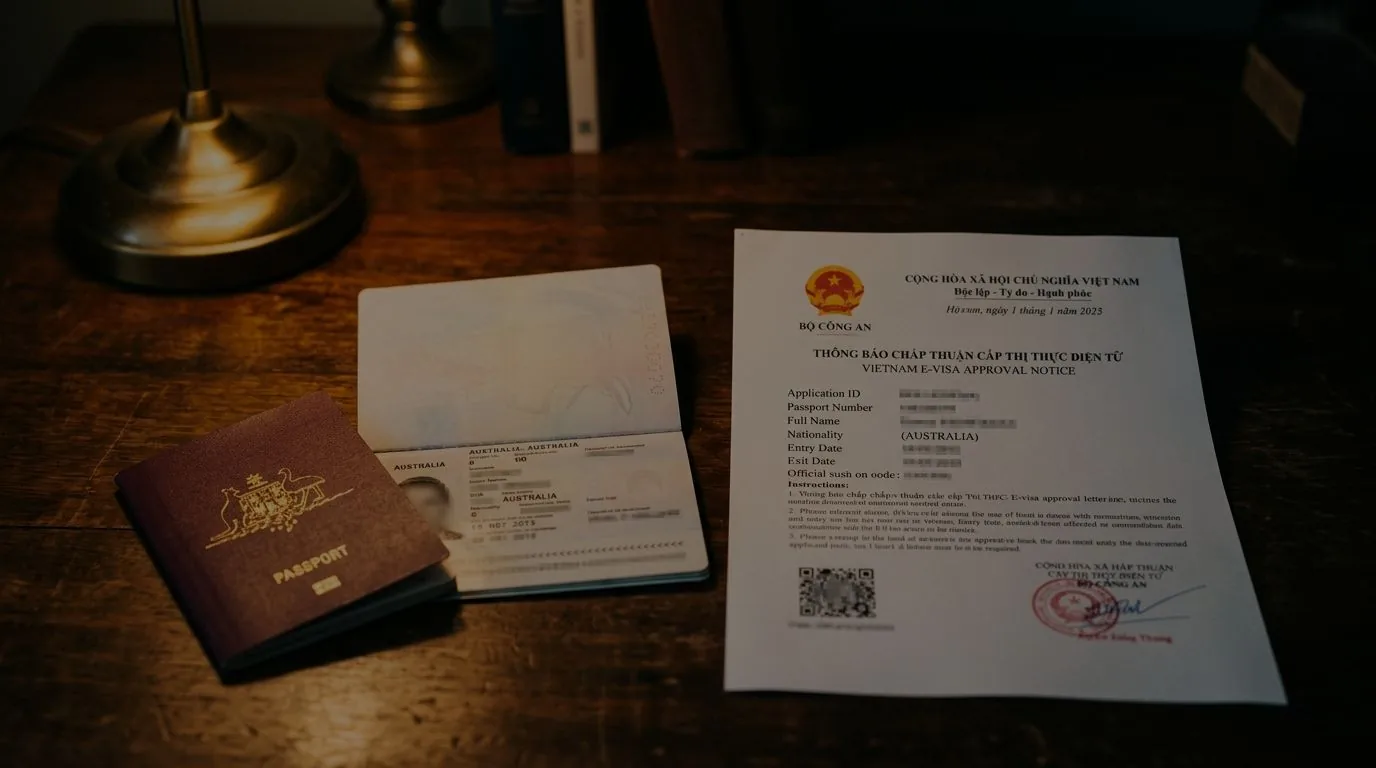
The day before, we quote the number and the format; you give us the date your current stay ends and the headcount. The visa application is filled in then, not on the morning of departure — that one detail is what keeps the rest of the day on rails.
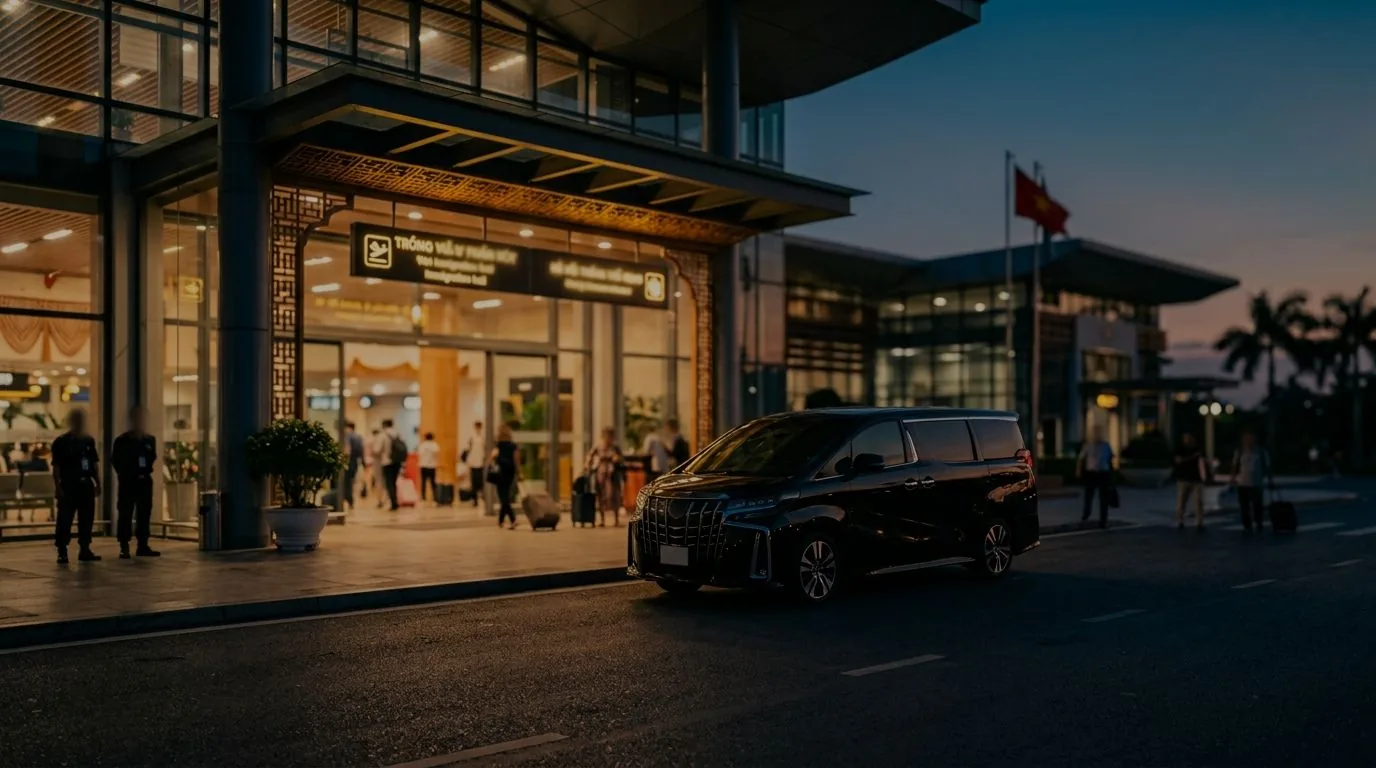
In the morning there are two ways out of the city, and the hour between them decides your evening. The minivan is at your address by 6:00 and collects passengers across Hanoi, so be ready at five: yours may not be the first stop. The bus option leaves at 8:00, with the official departure from the station at 9:00. Same road either way — but those two morning hours do not disappear, they move whole to the end of the day.
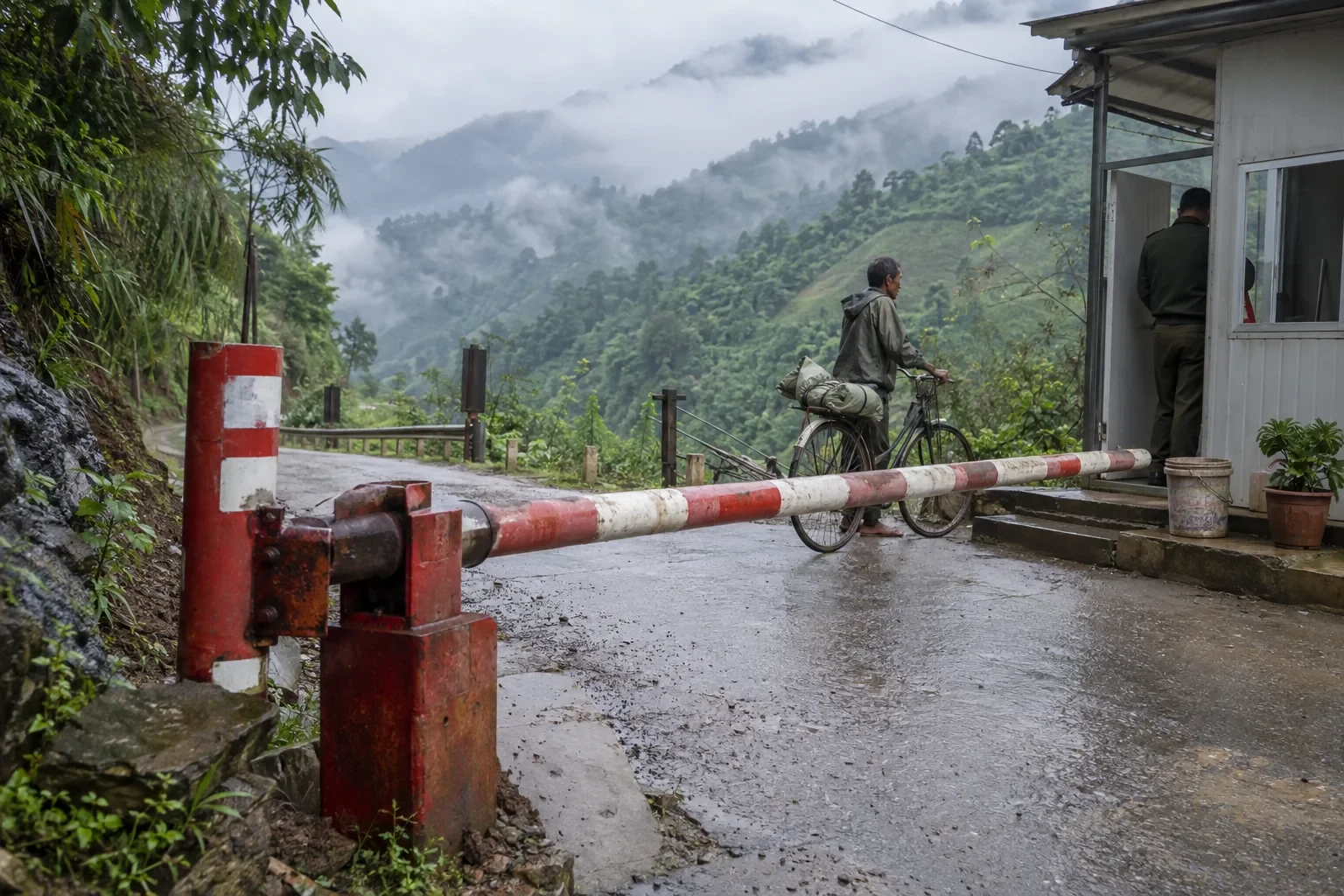
Both reach the Lang Son bus station at around 13:00. From there roughly 700 metres remain to the checkpoint: a golf cart asks about 12,000 VND, and a fair share of people simply walk. Then the exit stamp, some 800 metres to the Chinese side, a two-part migration form filled in by hand, and back. Russian passports enter China here visa-free, which is exactly why the trip fits into a single day.
On a normal day the finished visa reaches the chat around 17:00, the return bus leaves by 18:00, and you are in Hanoi at about 21:00.
Why there is no number on this page
The Da Nang page carries its prices openly, because those departures have run on a timetable for years and the figure is what passengers pay. Hanoi deserves a different, straighter answer. We opened this direction recently, there is no permanent schedule behind it yet, and every departure is assembled around a specific date and group. One printed number would mean padding upward for safety or re-quoting later in chat — both worse than saying plainly that we price it for your case.
What is known in advance is the official part we do not set: the e-visa government fee of $25 single entry and $50 multiple entry, paid on the state portal, and about 12,000 VND for the golf cart covering the 700 metres from the Lang Son bus station to the gate — a stretch plenty of people simply walk.
What the trip includes
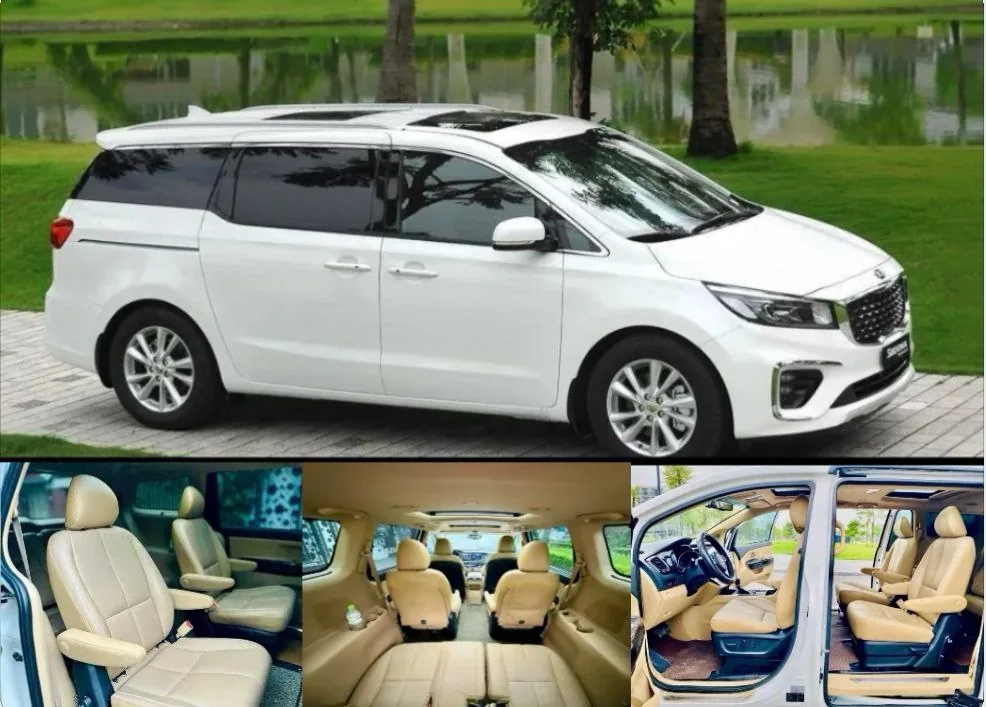
- The road to Huu Nghi and back: the minivan collecting across Hanoi by 6:00, or the bus at 8:00.
- A date chosen around when your current stay expires.
- The e-visa application, the government fee on our card, the correct entry point.
- A briefing beforehand and written instructions for the crossing.
- Either a fresh visa-free stamp or a new 90-day e-visa, whichever works out better for you.
- A manager in the chat all day, including the waiting hours at the border.
One honest detail, the same on every route we run: the escort is responsible for the departure but does not walk through the checkpoint with you — there you follow the written instructions. If you want somebody beside you at the window, that is a separate arrangement and it is agreed before booking, not on the day.
What to bring, and why the list is this short
Your passport and a pen. The pen is not a flourish: the two-part migration form on the Chinese side is filled in by hand, and without one you will be borrowing from the queue. Nothing else is needed — the passport data for the application and the fee are handled in advance, so there is nothing to print.
On China specifically: Russian citizens need no separate Chinese visa, which is precisely why this crossing works as a day trip. On any other passport we check the rules before booking — send us your citizenship and we will confirm whether this gate works for you.
A stamp or a new 90-day visa
The rule of thumb is the same as on any border. Staying another couple of months and not needing a Vietnamese bank card — the stamp run is cheaper. Planning longer than three months, or wanting the card — one visa is the calmer option: the next exit is a full quarter away.
And the detail behind the timing that makes a one-day trip possible at all. A normal e-visa takes around a week to issue, and that week would be spent outside Vietnam. The expedited version is done in hours the same day, which is why you sleep at home that night.
It turns out surprisingly often that the cheaper answer is not the one the person asked about. Tell us the date your current stay ends and we will say which option is cheaper in your case — including the case where it does not involve us.
If the deadline is tomorrow and there is no time to assemble a departure, a visa can be done in a day without going to the border — the emergency option for exactly this situation.
Refusals, and where our responsibility ends
We turn nobody away at our end. Entry can be refused for one reason only — being on the Vietnamese immigration blacklist; we do not invent other hidden grounds.
The split of responsibility is simple and identical across our routes. The visa work is ours: the application, the fee, the entry point, and if something goes wrong on that side it is on us. The visa-free stamp is granted by an officer at a window, and nobody can guarantee somebody else’s decision — stretching a promise over that would be dishonest.